
Many individuals seek clarity on what the Bible says about tattoos in today’s society. Tattoos have become a widespread aspect of contemporary culture, with some viewing them as forms of art or self-expression. Conversely, others experience hesitance due to their religious beliefs. This uncertainty raises a key question: is getting a tattoo a sin? Numerous believers turn to the Scriptures for guidance, eager to ascertain whether body ink aligns with their faith. Thus, the inquiry persists: what does the Bible say about tattoos?
Christians frequently debate whether tattoos constitute a sin or if they are merely a personal choice. Some also wonder if it is a sin to get a tattoo that holds significant meaning, such as a cross or other faith-related symbols. As a result, many delve deeper into Scripture, aiming to grasp the true implications of its teachings.
Another prevalent question revolves around what does the Bible say about tattoos in the New Testament. While some argue that this subject primarily resides in ancient laws, others contend that faith and intention carry more weight in contemporary discussions. Consequently, the dialogue regarding what does the Bible say about tattoos persists among believers.
What Does the Bible Say About Tattoos? Understanding the Biblical Context
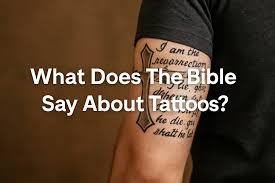
A common question among many individuals is, “What does the Bible say about tattoos today?” This subject often sparks discussions among believers. While some argue that the Bible explicitly warns against getting tattoos, others contend that interpretation varies based on context. To grasp the message regarding tattoos, one must consider historical and cultural contexts, as well as the intentions behind biblical teachings.
When delving into Scripture, many again inquire, “What does the Bible say about tattoos in today’s world?” Although the Bible does not explicitly address contemporary tattoo culture, there are verses that can provide insight for believers today. A deeper understanding of the historical and cultural backdrop can clarify what the Bible says about tattoos and explain why Christians may have differing views. Questions like “Is getting a tattoo a sin?” or “Are tattoos a sin?” often arise, prompting further exploration of what the Bible says about tattoos, including references from the New Testament.
What Does the Bible Say About Tattoos in the Old Testament?
A common inquiry among individuals is, “What does the Bible say about tattoos?” The most frequently cited scripture on this topic is Leviticus 19:28, which cautions against body mutilation and skin markings. Due to this passage, some Christians believe that tattoos are prohibited. When examining the question, “Is getting a tattoo a sin?”, this verse often serves as a starting point for discussion.
However, it’s essential to consider the historical context as well. In ancient cultures, tattoos frequently had connections to idol worship, signifying allegiance to false deities or associated rituals. This historical perspective influences the interpretation of what the Bible says about tattoos in the Old Testament. Many theologians argue that the emphasis was more about idolatry than contemporary tattooing practices.
If we expand our inquiry to “What does the Bible say about tattoos in the New Testament?”, we find that it remains a topic of debate. Ultimately, questions like “Are tattoos a sin?” and “Is it a sin to get a tattoo?” require careful reflection on both scripture and the cultural implications surrounding body art.
I got my tattoo at the apex of the pandemic (a risky endeavor, to be sure)
If you’ve ever gotten a tattoo, you’re probably familiar with a wide range of opinions on the subject. I’ve gotten remarks from friends, family, and even a woman on a plane who insisted that tattoos trap the soul in the body after death.
I didn’t mention my tattoo to her, mostly because I was worried she might suggest laser removal at high altitude.
No matter whom you ask, you will encounter a mix of views on tattoos, reflecting various beliefs about spirituality. But beyond personal opinions, what does the Bible say about tattoos?
As someone who works at a church, I’ve heard many claims that getting tattooed is against biblical teachings. This has led me to question whether my job might be at risk.
Does scripture offer any clarity on this topic? Is God filled with disdain for those who choose to get inked, or is He indifferent, permitting us to make our own choices?
Whether or not tattoos are considered sinful doesn’t dictate my faith, nor do I believe it should for any Christian. However, grappling with potentially confusing biblical texts may enhance our trust in God.
Here’s the bottom line: I’ve concluded that it’s acceptable for me to have a tattoo, but you might come to a different conclusion — and that’s perfectly fine.
Keywords: What does the Bible say about tattoos? Is getting a tattoo a sin? What does the Bible say about tattoos? Are tattoos a sin? Is it a sin to get a tattoo? What does the Bible say about tattoos in the New Testament?
What Does the Bible Say About Tattoos in the New Testament?
The Bible’s perspective on tattoos can be summarized by a single line found in Leviticus 19:28, which states, “Do not engrave marks on your skin or tattoo yourselves: I am the Lord.” However, understanding this passage requires context; its application may differ from what is initially perceived.
Interestingly, the preceding verse cautions against trimming the hair at the sides of your head or altering your beard, which leaves some pondering if their grooming choices are incorrect — after all, many have opted for fades or tidy beard trims over the years.
Gaining further insight often requires exploring the teachings of Jesus and the writings in the New Testament. In Romans, the Apostle Paul describes Jesus as the “culmination” of the law (Romans 10:4), suggesting that he has reconciled differences and removed barriers established by the old commandments, thereby forging a new unity.
At first glance, this might imply that getting a tattoo is acceptable, but caution is warranted. Jesus himself states in Matthew 5:17 that he came not to abolish the Law or the Prophets but to fulfill them, indicating a more nuanced approach.
So what does the Bible say about tattoos? Are tattoos a sin? Is it a sin to get a tattoo? These questions, especially in relation to New Testament teachings, invite further reflection on the original Leviticus verse and its implications today.
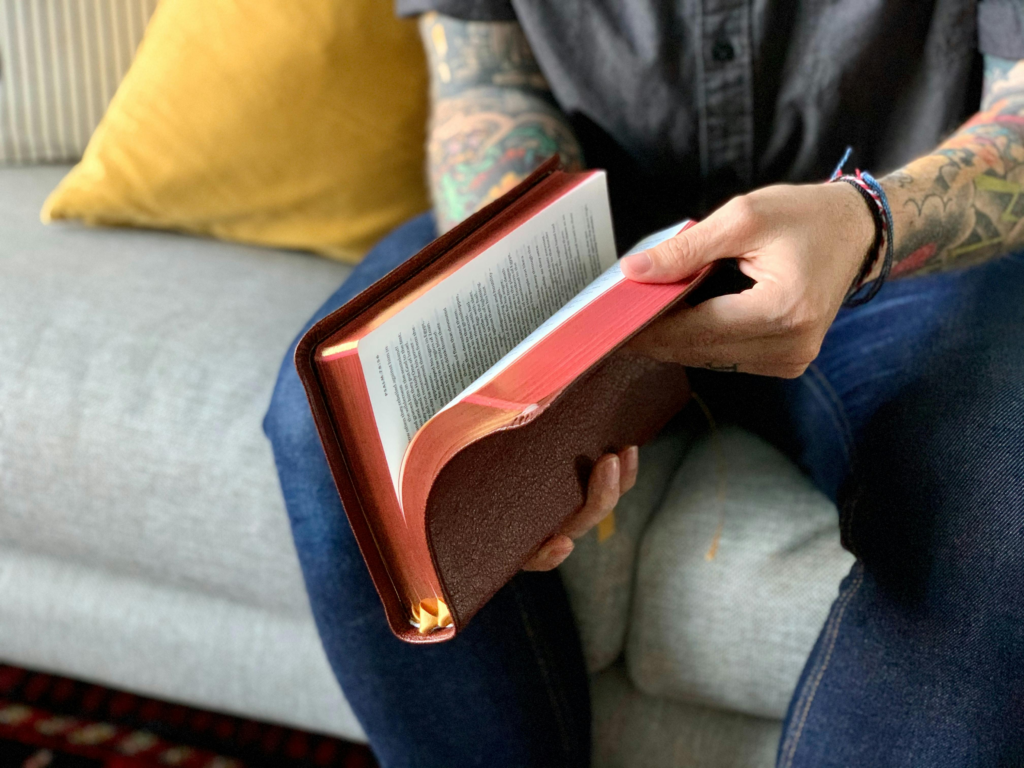
Throughout history, Christians have interpreted Old Testament laws in varied ways: some consider them timeless guidelines, while others see them as specific to the context of Ancient Israel. For instance, the Ten Commandments are generally viewed as applicable to all believers across generations. Jesus reaffirms these commandments in Mark 10:19 and other teachings.
In contrast, few Christians are concerned about the prohibition against mixed fabrics, like my cotton-polyester t-shirt, even though Leviticus 19:19 and Deuteronomy 22:11 clearly ban such combinations.
When evaluating which Old Testament laws are relevant today, it’s vital to explore the original context and understand God’s intentions behind these directives. I recognize this can be a complex issue; the distinction between applicable and non-applicable laws can lead to misuse, a temptation many may exploit. However, engaging with scripture is essential for developing a relationship with God. The term ‘Israel,’ referring to God’s people in the Old Testament, translates to “Wrestles with God,” highlighting this struggle.
Thus, when interpreting Old Testament legislation, both consistency and context are essential. If a law’s core principles are consistently reiterated across ages and affirmed by Jesus, it’s reasonable to conclude its relevance endures. This is not the case for the topic of tattoos, however.
Additionally, examining the context is crucial. Some practices outlawed in the Old Testament had specific cultural reasons for their prohibition, which may not apply to contemporary society. While the underlying truths remain significant, discerning their applicability necessitates historical examination.
So, when considering questions like “What does the Bible say about tattoos?”, or “Is getting a tattoo a sin?”, one must look deeper. The New Testament doesn’t explicitly address tattoos, leading to varying interpretations about whether they are inherently sinful. Understanding these nuances offers insight into the broader conversation around this topic.
The Lore of Inking
To truly understand the reasons behind the biblical stance on tattoos, we need to consider the historical context of that time. The scripture does not clearly state why tattoos are forbidden, but I doubt it was simply because God disapproved of small heart designs on ankles or barbwire ink on biceps.
Let’s examine the circumstances during the era when this law was established. Throughout history, tattoos have been applied for various purposes, many of which weren’t for aesthetic enjoyment. Take Ötzi, Europe’s oldest known natural mummy, who lived between 3350 and 3105 B.C. and bore 61 tattoos. Sadly for him, these marks weren’t merely to flaunt at social gatherings or beaches. Most tattoos during those times were associated with crimes, prostitution, or even therapeutic purposes, far removed from personal expression as we think of it today.
In fact, many people would cut their skin and inscribe tattoos in reverence to false deities or out of superstitious beliefs. The tattoos mentioned in ancient texts were likely tied to these ceremonial practices, symbolizing the false gods that individuals chose to worship. Thus, the Bible’s perspective on tattoos likely stems from a specific purpose tied to idol worship, explaining why God might not approve.
This leads us to the question: What does the Bible say about tattoos? Is getting a tattoo a sin? If we look at both the Old and New Testaments, we can see that the context surrounding tattooing significantly influences the interpretation. Exploring whether tattoos are considered a sin requires understanding these historical and religious implications.
Sooooo, are tattoos a sin? Is it a sin to get a tattoo?
The prohibitions against tattoos, trimming beards, or wearing specific fabrics seem rooted in God’s intent for His followers to abandon idol worship and distinguish themselves from worldly influences, which often promote misguided and immoral practices.
This intention to help His people lead distinct lives is a core principle reflected in the laws of the Old Testament (Exodus 19:5).
While Jesus and other New Testament writers sometimes reaffirm aspects of these laws, their applicability can vary as cultural contexts shift. What serves to set someone apart from society in one era may not hold the same significance in another.
Tattoos exemplify this flexibility. They are not directly addressed again in the Bible. The essential principle is our exclusive devotion to God the Father, which should guide our decisions.
Thus, I, along with many fellow Christians, do not view tattoos as explicitly prohibited in today’s context, despite differing opinions within the faith community. And that’s perfectly acceptable.
So, does this mean we should all rush to get tattoos without hesitation?
Not necessarily.
What Does the Bible Say About Tattoos and the Meaning of Leviticus 19:28?
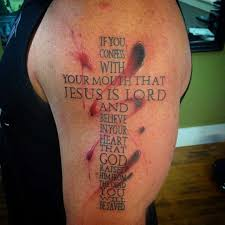
Discussions around what the Bible says about tattoos often start with Leviticus 19:28, which instructs against cutting the body or marking the skin. This specific verse leads some believers to conclude that the Bible clearly prohibits tattoos. It’s frequently referenced when asking, “What does the Bible say about tattoos?”
However, understanding the biblical context is essential when interpreting this passage. In ancient times, tattoos were often associated with idol worship, and many scholars argue that the Mosaic law served to shield Israel from pagan practices. As a result, some Christians interpret this verse as offering cultural insight rather than a direct prohibition on modern tattoos.
When considering questions like “Is getting a tattoo a sin?” or “Are tattoos a sin?” it’s also relevant to explore what the Bible says about tattoos in the New Testament for a fuller understanding.
What Does the Bible Say About Tattoos and the Body as God’s Temple?
A significant concept emerges from the teaching of the body as a temple in the Bible. According to scripture, the body is a possession of God and merits respect. Many believers link this teaching to discussions around “what does the Bible say about tattoos?” They often conclude that treating the body as a temple should influence their personal decisions.
As a result of this belief, the relationship between tattoos and Christianity prompts ongoing debates. Some contend that tattoos may contradict the principle of honoring God’s temple. In contrast, others argue that meaningful tattoos can symbolize faith and identity. Hence, the inquiry “what does the Bible say about tattoos?” continues to spark thoughtful conversations among Christians.
Questions like “is getting a tattoo a sin?” and “are tattoos a sin?” frequently arise, leading individuals to explore what the Bible says about tattoos, especially in the New Testament.
What Does the Bible Say About Tattoos and Christian Freedom?
Many Christians ponder what the Bible says about tattoos when considering their freedom in Christ. The New Testament emphasizes the notion of liberty through faith, leading some to view tattoos as a personal decision based on their individual beliefs. This perspective aligns with the principles of Christian freedom and personal accountability before God.
Conversely, some believers approach the topic of tattoos and Christianity with discernment and reflection. They analyze tattoo morality, biblical teachings, and the spiritual implications of body art. Certain individuals maintain that any tattoos should embody their faith and demonstrate reverence toward God. Consequently, the question, “What does the Bible say about tattoos?” continues to spark discussions in various church communities.
Issues like “Is getting a tattoo a sin?” and “Are tattoos a sin?” frequently arise, as believers seek clarity on what the Bible says about tattoos, especially concerning New Testament teachings and what does bible says about divorce.
What Does the Bible Say About Tattoos and Personal Faith Choices?
Many individuals ponder the question, “What does the Bible say about tattoos?” when faced with personal decisions. For many Christians, prayer, discernment, and insights from Scripture guide their choices, all in the effort to honor God and uphold their beliefs. This is why the topic of tattoos within the Christian community often demands careful consideration.
For some, tattoos carry significant meaning and can represent their faith, often referred to as Christian faith tattoos or spiritual tattoos. Conversely, others may opt not to have any tattoos at all. Ultimately, before arriving at a decision, many believers reflect on “Is getting a tattoo a sin?” and “What does the Bible say about tattoos?” — particularly concerning the New Testament — as they seek clarity on whether they are considered a sin.
What Does the Bible Say About Tattoos in Modern Christian Life?
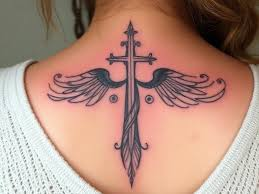
Many Christians seek to understand what does the Bible say about tattoos in contemporary society. In the modern world, tattoos have gained acceptance as both art and a form of self-expression. Some believers embrace modern Christian tattoos as a way to showcase their faith, while others question whether getting a tattoo is a sin or might be seen as disrespectful to God.
The New Testament emphasizes the importance of the heart over mere physical appearance. Therefore, what does the Bible say about tattoos today often hinges on individual faith and the intent behind the tattoo. Many individuals carefully consider the question: are tattoos a sin? Before making their decisions, they often engage in prayer and reflect on their personal beliefs, seeking guidance to ensure their choices honor God. Ultimately, the question of whether it is a sin to get a tattoo is a personal one shaped by interpretation of what the Bible says about tattoos.
What Does the Bible Say About Tattoos and Cultural Practices?
Exploring what the Bible says about tattoos necessitates an examination of cultural contexts. Historically, tattoos often carried religious or pagan significance. In contrast, contemporary tattoos can symbolize aspects of culture, artistry, or personal identity. This cultural dimension makes discussions around tattoo culture and the Bible significant for many believers.
A common inquiry among Christians is: is getting a tattoo a sin? This question often arises under the influence of societal trends. Believers reflect on tattoos that represent their faith and personal beliefs. By considering both cultural influences and biblical teachings — especially what does the Bible say about tattoos in the New Testament — Christians can arrive at informed conclusions regarding tattoos while remaining faithful to their convictions.
What Does the Bible Say About Tattoos and Spiritual Identity?
A lot of believers ponder the question: what does the Bible say about tattoos when considering their spiritual identity? Tattoos can serve as a means to convey one’s faith or personal beliefs. Some individuals opt for Christian or faith-based tattoos as a demonstration of their beliefs, while others question whether is it a sin to get a tattoo.
The critical aspect lies in grasping the spiritual significance of tattoos. Many Christians assert that tattoos should symbolize devotion instead of merely following trends. Engaging with Scripture and praying can provide clarity in making such decisions. This is why the question, what does the Bible say about tattoos, remains vital when exploring personal faith and identity today.
Furthermore, many wonder: are tattoos a sin? And what does the Bible say about tattoos in the New Testament? These inquiries continue to play an essential role in understanding how tattoos fit into one’s spiritual journey.
What Does the Bible Say About Tattoos and Church Teachings Today?
Many churches engage in discussions about what the Bible says about tattoos in contemporary society. Some leaders lean towards traditional views, while others highlight the freedom found in Christ. When considering whether to get a tattoo, believers often weigh the church’s teachings or position on tattoos.
A number of Christians delve into biblical interpretation regarding tattoos to gain a clearer understanding of Scripture. Their aim is to strike a harmonious balance between faith, cultural expressions, and reverence for God. This is why questions like “Is getting a tattoo a sin?” and “What does the Bible say about tattoos in the New Testament?” continue to shape conversations in congregations globally. Ultimately, the inquiry into whether tattoos are a sin or if it is a sin to get a tattoo remains a significant topic among believers.
What Does the Bible Say About Tattoos and Sin in the Bible?
Many individuals ponder the question, “What does the Bible say about tattoos?” particularly in the context of sin. They often ask, “Is getting a tattoo a sin?” or “Are tattoos a sin?” While the Bible cautions against certain behaviors, it does not categorically label tattoos as sinful in every situation.
Examining passages like Leviticus 19:28 is helpful in this discussion. Scholars frequently interpret these laws as related to pagan practices. Today, many believers analyze tattoo-related teachings in the Bible to make informed choices. This ongoing inquiry into “What does the Bible say about tattoos?” continues to foster meaningful conversations.
What Does the Bible Say About Tattoos and Christian Responsibility?
Many Christians often ponder “what does the Bible say about tattoos?” and the implications of responsibility tied to this subject. Believers are encouraged to make choices that honor God. Before committing to a tattoo, some individuals seek guidance from biblical teachings on the topic.
Reflections on the idea of the body as a temple often play a role in these discussions. Since tattoos can hold significant meanings, personal faith and conscience become essential in making such choices. Examining Scripture can provide insights into “is getting a tattoo a sin?” while navigating the balance between freedom and responsibility in a Christian context. Ultimately, many explore “what does the Bible say about tattoos” in the New Testament to understand their stance on whether tattoos are a sin or if “it is a sin to get a tattoo.”
What Does the Bible Say About Tattoos for Believers Today?
Many followers of faith ponder what does the Bible say about tattoos in today’s world. As tattoos have become widespread in contemporary culture, some individuals opt for faith-inspired tattoos to express their devotion, while others question, “Is getting a tattoo a sin?” or “Are tattoos a sin?”
Modern Christians often approach the topic of Christian tattoos with careful consideration, reflecting on their meanings, intentions, and how these markings align with their beliefs. Consequently, “What does the Bible say about tattoos?” continues to be a significant inquiry for those who wish to align their choices with their faith. Exploring what does the Bible say about tattoos in the New Testament can help clarify some of these concerns regarding whether getting a tattoo is against God’s teachings.
What Does the Bible Say About Tattoos and Biblical Interpretation?
Interpreting what the Bible says about tattoos can vary significantly. Many scholars analyze passages such as Leviticus 19:28, considering the cultural background. This examination often influences modern decisions regarding body art.
When pondering whether getting a tattoo is a sin, Christians reflect on biblical context and New Testament teachings that emphasize honoring God. These insights help clarify what does the Bible say about tattoos, ensuring respect for Scripture, faith, and personal beliefs in everyday choices.
Thus, the inquiry into what does the Bible say about tattoos remains pertinent, as believers assess whether are tattoos a sin or if it is a sin to get a tattoo in light of biblical directives.
What Does the Bible Say About Tattoos Before Getting One?

Many individuals of faith ponder what does the Bible say about tattoos before committing to one. They question whether is it a sin to get a tattoo or if tattoos in general are considered a sin. Taking the time for thoughtful consideration can prevent future regrets and respect one’s faith.
When contemplating a tattoo, Christians frequently seek guidance regarding what does the Bible say about tattoos, examining the meanings behind Christian tattoos and their personal significance. Delving into Scripture and engaged prayer can illuminate what does the Bible say about tattoos, allowing for a choice that resonates with their beliefs and conscience. Overall, they want clarity on whether is getting a tattoo a sin or if tattoos are a sin according to the New Testament.
FAQ’s
What does the Bible say about tattoos?
The Bible explicitly mentions tattoos only once in Leviticus 19:28, which advocates against marking the body, but interpretations vary widely.
Is getting a tattoo a sin?
Many believe that getting a tattoo is not a sin, as the intention and the meaning behind the tattoo are considered more important than the act itself.
Are tattoos a sin?
Whether tattoos are a sin is debated among Christians; some say it depends on the context and personal convictions.
Is it a sin to get a tattoo?
Different denominations have differing views; it’s best to consider personal beliefs and consult spiritual leaders for guidance.
What does the Bible say about tattoos in the New Testament?
The New Testament does not specifically address tattoos, focusing instead on the importance of the heart and intentions rather than external appearances.
Are there cultural contexts for tattoo references in the Bible?
Yes, the references in Leviticus were specific to cultural practices of the time, reflecting broader aspects of holiness and identity.
Can tattoos have spiritual significance?
Yes, many people choose tattoos that symbolize their faith or personal journey, which can be seen positively by some communities.
How should Christians approach the topic of tattoos today?
Christians are encouraged to pray and seek wisdom on the matter, considering both scriptural teachings and their personal convictions

Laravel & PHP Web Developer with experience in building modern web applications and optimized database systems. Skilled in creating scalable solutions, API development, and SEO optimization to deliver high-performance websites.