Few names have as much emotional history as Tristan. If you’re researching the Tristan Meaning because you’re naming a child, writing a character, or just curious about your own name, you’ll find that its story is richer and more hopeful than most people realize.
At its core, Tristan Meaning is rooted in two enduring traditions: an Old French word for sorrow, and a Celtic name associated with turmoil or conflict. Yet despite this heavy origin, Tristan has become one of the most popular and beloved names in the English speaking world, largely because of how its meaning has changed over the centuries.
This article explores where the name comes from, what it really means, whether it has any connection to the Bible, and why so many parents still choose it today.
What Is the Tristan Meaning?
The most widely accepted Tristan Meaning traces back to the Old French word triste, meaning “sad” or “sorrowful.” Language historians believe this form merged with an earlier Celtic name, Drustan (sometimes recorded as Drystan or Drostan), used among the Picts and early Britons. The Celtic root is thought to relate to drest or drust, associated with “tumult,” “riot,” or “noise” — in other words, conflict rather than quiet sadness.
By the medieval period, these two threads had fused into the name we recognize today, carrying a dual sense of emotional depth and inner struggle.
So when people ask what Tristan means, the honest answer is layered:
- Etymological meaning: sorrowful, tumultuous, or bold in conflict
- Cultural meaning (post-legend): noble, tragic, loyal in love
- Modern meaning: resilient, strong-willed, and reflective
The Legend Behind the Name Tristan and Isolde
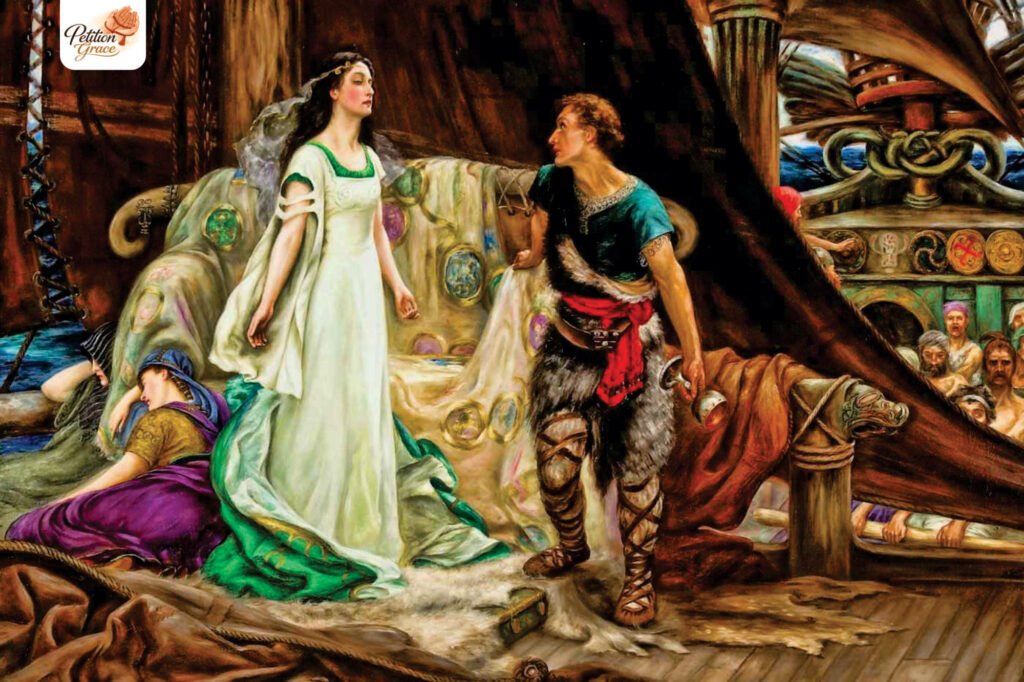
No discussion of the Tristan meaning would be complete without its most famous source: the medieval tale of Tristan and Isolde. In the tale, Tristan is a knight bound by love and duty to a hero whose loyalty leads him to heartbreak rather than victory.
That’s why, for centuries, the name Tristan was almost exclusively associated with tragic romance. It shaped European literature and gave the name a reputation for melancholy that went beyond the myth itself.
It’s worth noting, though, that the legend of Tristan and Isolde predates any Christian interpretation of the name. It’s a secular Celtic Arthurian romance, not a biblical or religious tale, which is important for anyone wondering how the name fits into the context of faith.
Does Tristan Appear in the Bible?
Tristan is not a name that comes from the Bible. You will not find it in the Old or New Testament. The name Tristan actually comes from France and Celtic countries not from places like Israel or Greece. That is why Tristan is not like names from the Bible, such as Daniel or Sarah or Nathan.
Some people still think about Tristan in a spiritual way. They think about what the name means. Being sad having a time and then getting stronger. These are things that happen in stories from the Bible. People like Joseph and Job and David all had tough times but then they got better.
This is something that people see in the Tristan Meaning even though the name Tristan is not really from the Bible. Tristan has a meaning that is like stories from the Bible and that is why people, like the name Tristan.
Is Tristan a Good Name for a Christian Family?
Yes. A name doesn’t need Hebrew or biblical roots to carry meaning for a Christian family. Many popular names Chloe, Grace, Owen, Miles aren’t found in Scripture either, yet they’re chosen every day by Christian parents for the values or sound they represent.
What matters more than etymology is the intention behind the name. If your family sees Tristan as a symbol of overcoming hardship, or simply loves how the name sounds, that’s a valid and meaningful reason to choose, it no scriptural citation required.
Personality Traits Associated with the Name Tristan
When you think about the Tristan Meaning it is not about where it came from. Many people who know a lot about names and parents think that people named Tristan have some qualities.
The Tristan name is associated with the following qualities:
- Determined. This means someone who does not give up when things get
- Reflective. People who think a lot about things and like to be alone with their thoughts
- Loyal. This is something that comes from the old story of Tristan and Isolde
- Creative. People who like art, music or telling stories
- Quietly strong. Someone who’s strong but does not need to show it to everyone
These are just ideas that people have they are not based on science or anything like that.. They are part of the reason why the Tristan name has been popular, for almost a thousand years.
Tristan Popularity and Modern Usage
Despite its origins Tristan has been one of the top boy names in the United States, the UK and many parts of Europe for the last twenty years. The reason for its popularity is because of things:
It sounds strong and up to date without being something that changes a lot.
It has history behind it unlike many names that are made up recently.
Its story. Sadness turned into strength. Speaks, to parents who want a name that has meaning, not a nice sound.
Variants and similar names are Tristen, Triston, Trystan (the Welsh way to write it) and the French version Tristian.
Conclusion
The Tristan Meaning is a rare example of a name whose origin sorrow and tumult has been almost entirely reframed by the people who carry it. What began as a word for sadness in Old French, and a name tied to conflict in Celtic tradition, has become a name associated with resilience, loyalty, and quiet strength.
While Tristan has no direct biblical origin, its underlying story hardship followed by growth, Is one that resonates across cultures and faiths alike. Whether you’re drawn to it for its legendary romance, its Celtic history, or simply its sound, Tristan remains a name with genuine depth behind it.
FAQ’s
What does the name Tristan Meaning?
Tristan means “sorrowful” (from Old French triste) and is also linked to the Celtic name Drustan, meaning “tumult” or “conflict.”
Is the name Tristan biblical?
No, Tristan is not a biblical name. It comes from Celtic and medieval European legends rather than the Bible.
Is the name Tristan good?
Yes, Tristan is a popular and well-liked name known for its strong, noble, and timeless appeal.
What does Tristan symbolize?
Tristan often symbolizes bravery, loyalty, romance, and adventure due to its legendary origins.
Is Tristan a legendary name?
Yes, Tristan is a legendary name associated with the famous medieval love story of Tristan and Isolde.
Is Tristan a sad name?
Some people see Tristan as a sad name because of the tragic ending in the Tristan and Isolde legend.
What is Tristan and Isolde about?
Tristan and Isolde is a medieval romance about two lovers whose forbidden love leads to tragedy and heartbreak.

I’m Shujaat Magsi, the writer behind petitiongrace.com. My words are rooted in faith, gratitude, and everyday hope. Through uplifting blessings, heartfelt prayers, Bible Prayers and inspiring reflections, I aim to encourage peace, kindness, and spiritual strength—offering comfort and purpose in every season of life.